

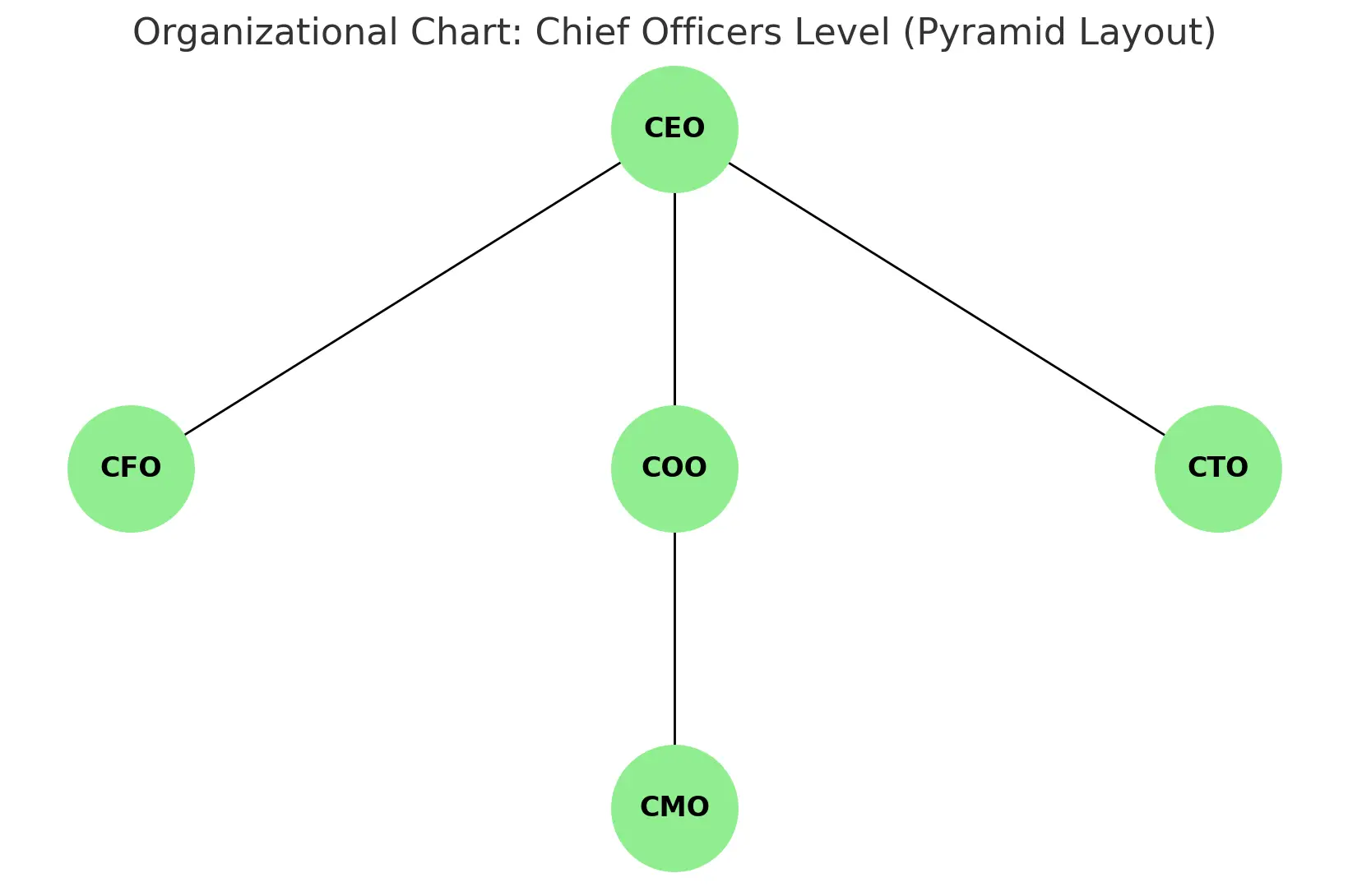
 In the business world, the organizational structure of a company or organization can greatly influence its efficiency, culture, and ability to achieve its goals. Different organizational structures are suitable for different types of businesses, sizes of companies, and business cultures. Here we will review the most common structures: hierarchical, network, matrix structure, work teams, and lean organizations.
1. Hierarchical structure
A hierarchical structure is one of the oldest and most common structures in the corporate world. It is characterized by multiple levels of management and a clear command and control structure, from top management to workers on the ground.
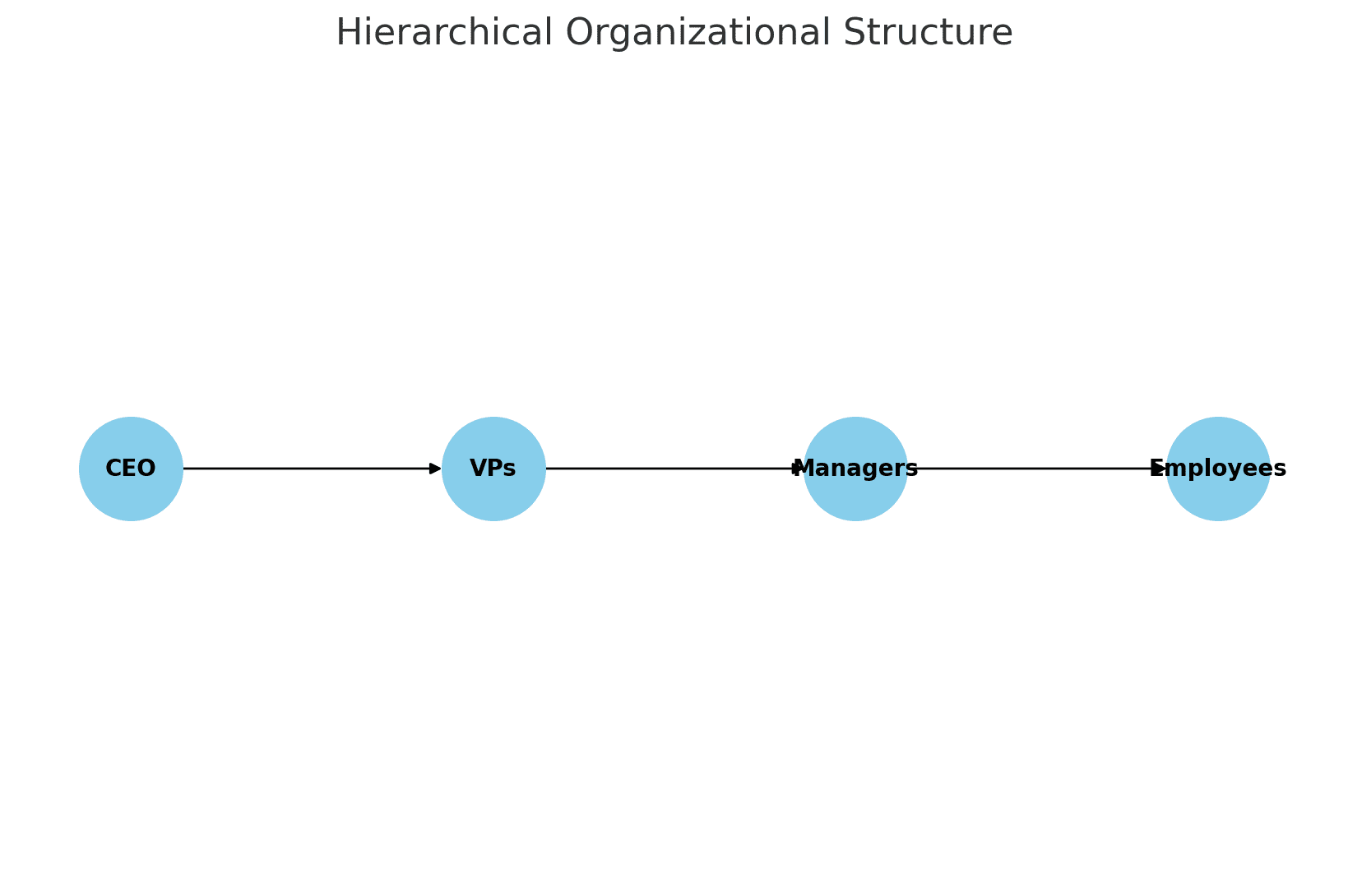
Above is a diagram representing a hierarchical organizational structure. In this structure, the CEO is at the top of the hierarchy, below him are the VPs (Vice Presidents), followed by the managers, and finally the employees. This is a common structure in many organizations and demonstrates the command and control structure from the management down to the workers on the ground.
 2. Network structure

A network structure is flexible and dynamic, when the organization focuses on connecting people and resources outside and inside the organization. This is a common structure in project-based businesses or technology companies.
3. Matrix structure
A matrix structure combines the hierarchical structure with the project structure, when employees are under two or more managers - one according to the functional role and the other according to the project.
4. Work teams
This structure focuses on independent teams working together to achieve a common goal, where the teams can be flexible and adapt to the different needs of the projects.
5. Lean organizations
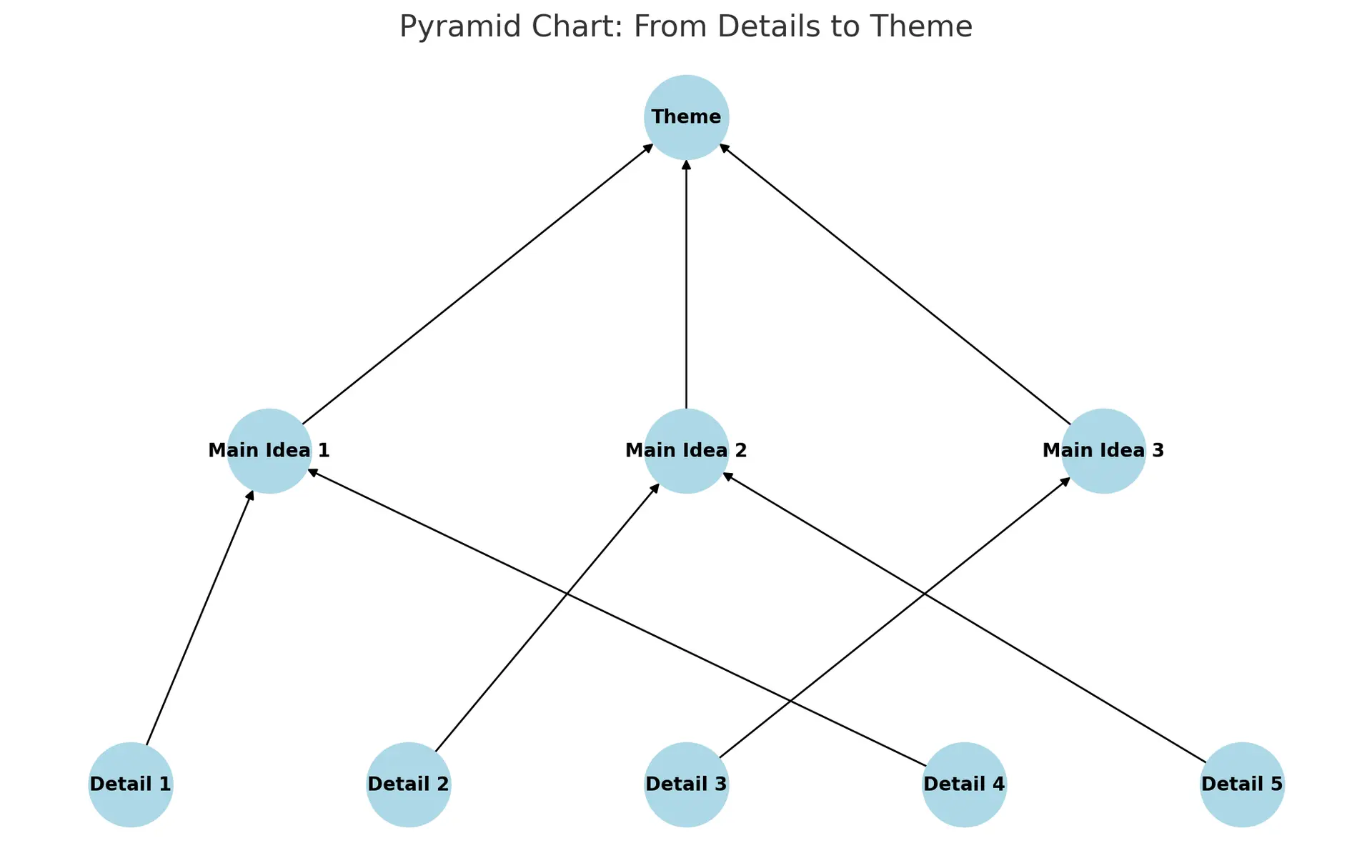 Lean organizations focus on minimizing waste and improving processes, with the goal of increasing efficiency and maximizing value for customers. They tend to be flexible and adapt to rapid changes in the environment.
Each of these structures offers advantages and disadvantages, depending on the size of the organization, the work culture, and the field in which it operates. A correct choice of organizational structure can significantly improve efficiency and support the achievement of the organization's goals.






 EN
EN  HE
HE